
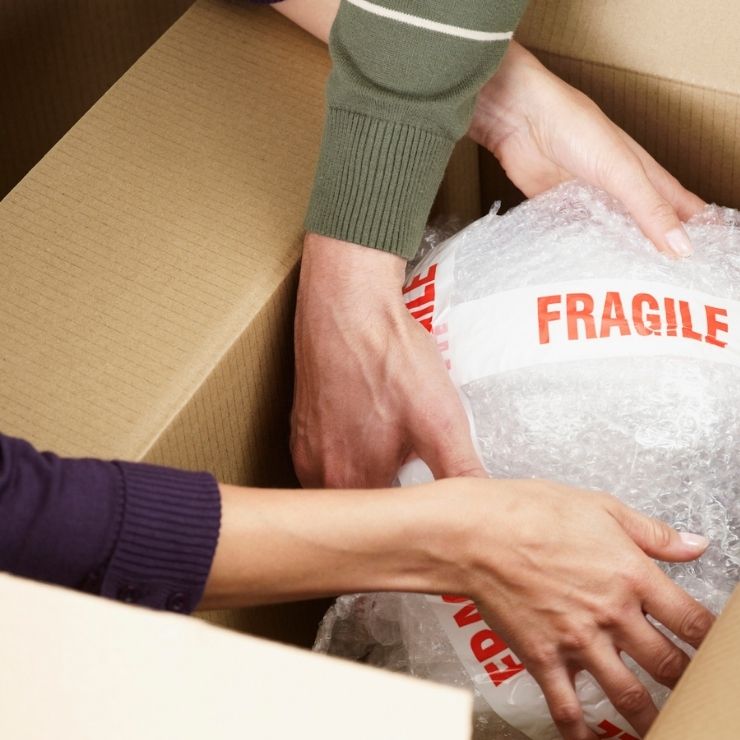
When your business depends on delivering ceramics, electronics, glassware or medical equipment across Australia, every broken item hits your bottom line twice. First through the immediate cost of replacement, then through the long-term damage to customer trust. Approximately 11% of all product returns in ecommerce are due to breakage or poor packaging, yet businesses can reduce transit damage by 65% through proper packaging and handling protocols.
The difference between a successful interstate shipment and a costly disaster often comes down to avoiding five critical mistakes. These oversights don’t just damage your products – they damage your reputation, inflate your costs and create unnecessary stress for your team.

Mistake 1: Inadequate packaging materials and techniques
The biggest mistake businesses make is treating fragile items like regular freight. Standard cardboard boxes and newspaper padding might work for books, but they’re woefully inadequate for delicate electronics or handcrafted ceramics.
Double-boxing is essential for fragile items. Place your item in a snug inner box with adequate cushioning, then place that box inside a larger outer box with void fill between the walls. This creates two layers of protection against impact and compression damage.
Material choice matters enormously. Bubble wrap provides excellent shock absorption, but air-filled cushions offer better protection against punctures. For extremely delicate items, consider foam inserts that are custom-cut to cradle your product. Avoid using newspaper or shredded paper as primary cushioning – these materials compress during transport and offer minimal protection.
The “shake test” is your friend. Before sealing any package, give it a gentle shake. If you hear or feel the item moving inside, add more cushioning. Movement during transit is the enemy of fragile goods.
Mistake 2: Choosing the wrong freight service for your needs
Not all freight services handle fragile items equally. Choosing a standard parcel service for valuable electronics or artwork is like choosing a bulldozer for gardening – it might get the job done, but the results won’t be pretty.
Courier services typically offer faster transit times but involve more handling touchpoints. Each transfer increases the risk of damage. Freight forwarding services, particularly those specialising in fragile goods, use fewer handling points and have protocols specifically designed for delicate items.
Consider the mode of transport carefully. Road freight offers more control over handling and fewer transfers, while air freight is faster but involves more loading and unloading. For extremely fragile items, dedicated vehicle services eliminate the risk of cargo consolidation and reloading.
Temperature-sensitive items require climate-controlled transport. Electronics can be damaged by extreme temperatures, while certain medical equipment may require specific temperature ranges throughout the journey. Don’t assume standard freight vehicles provide adequate climate control.
Mistake 3: Poor labelling and handling instructions
Ambiguous or missing labels are an invitation for disaster. “Fragile” stickers alone aren’t enough – they need to be accompanied by specific handling instructions that leave no room for interpretation.
Use clear, prominent labels that specify orientation (“This Side Up”, “Do Not Stack”), weight restrictions and special handling requirements. For extremely delicate items, consider adding pictorial instructions that transcend language barriers.
Hazardous goods labelling requires special attention. Electronics containing lithium batteries, for instance, must be labelled according to Australian Dangerous Goods regulations. Failure to comply can result in shipment delays, fines or outright rejection by carriers.
Internal documentation is equally important. Ensure your packing slip includes detailed handling instructions and emergency contact information. When damage occurs, quick communication can mean the difference between a minor setback and a major crisis.
Mistake 4: Failing to properly insure high-value fragile items
Standard freight insurance rarely covers the full value of fragile items, and many policies exclude breakage entirely. This leaves businesses exposed to significant financial losses when damage occurs.
Declared value insurance provides coverage based on the item’s worth, but it’s not automatic. You must declare the value and pay the appropriate premium. For high-value items, consider additional coverage through specialist insurers who understand the unique risks of fragile freight.
Documentation is crucial for insurance claims. Take photos of items before packaging, during the packing process and after unpacking. Keep all receipts, certificates of authenticity and valuation documents. The more evidence you have, the smoother your claims process will be.
Some freight forwarders offer specialised insurance products designed specifically for fragile goods. These policies often provide broader coverage and faster claims processing than standard freight insurance.
Mistake 5: Neglecting proper preparation and timing
Rushing the packing process is a recipe for disaster. Fragile items require careful preparation, and cutting corners to meet tight deadlines often results in inadequate protection.
Allow adequate time for proper packaging. Complex items may require custom crating or specialised materials that take time to source. Planning your shipments well in advance ensures you have everything needed to protect your goods properly.
Consider the timing of your shipment. Freight networks are busiest during peak seasons, which can mean rougher handling and longer transit times. Shipping during quieter periods often results in better service and reduced handling stress.
Weather conditions affect fragile freight more than most businesses realise. Extreme temperatures can damage electronics, while humidity can affect certain materials. Monitor weather forecasts along your shipping route and adjust your packaging accordingly.
Preparation extends to your receiving procedures. Ensure someone qualified to inspect fragile items is available when the shipment arrives. Immediate inspection helps identify damage quickly and supports any insurance claims.
The Transcoast difference in fragile freight handling
These five mistakes are entirely preventable with the right freight partner. Transcoast’s multimodal freight expertise means we understand how different transport methods affect fragile goods. Our team works with you to select the optimal combination of packaging, transport mode and handling protocols for your specific needs.
We don’t just move your fragile items – we protect your business reputation. Every member of our team is trained in fragile freight handling, and our facilities are designed to minimise damage risk at every stage of the journey.
From initial packaging consultation through to final delivery, we provide the specialised service your fragile freight deserves. Because when it comes to protecting your most delicate shipments, experience makes all the difference.
Protect your fragile shipments with expert interstate freight solutions
Don’t let preventable mistakes compromise your valuable cargo. Transcoast’s specialised fragile freight handling reduces damage risk while ensuring on-time delivery across Australia. From packaging consultation and secure warehousing to interstate transport, we provide comprehensive solutions that protect your fragile goods every step of the way.
Contact Transcoast today to discover how our fragile freight expertise can eliminate costly damage and give you complete peace of mind.